


The missing ingredient: tech partners in foodservice
Most agencies learn your industry on your budget. We have been building software for food importers, manufacturers, and distributors since 2008 — through import logistics, manufacturing, distribution, and retail. You should not have to explain what a case pack is.
The technology is rarely the hard part.
Industry knowledge is not a nice-to-have on these projects. It is the difference between a discovery phase and an education phase you are paying for.
The whole chain, not one link of it
Our work spans the path a product takes from a producer overseas to a plate. That matters because your problems are usually inherited from the link above you and passed to the one below.
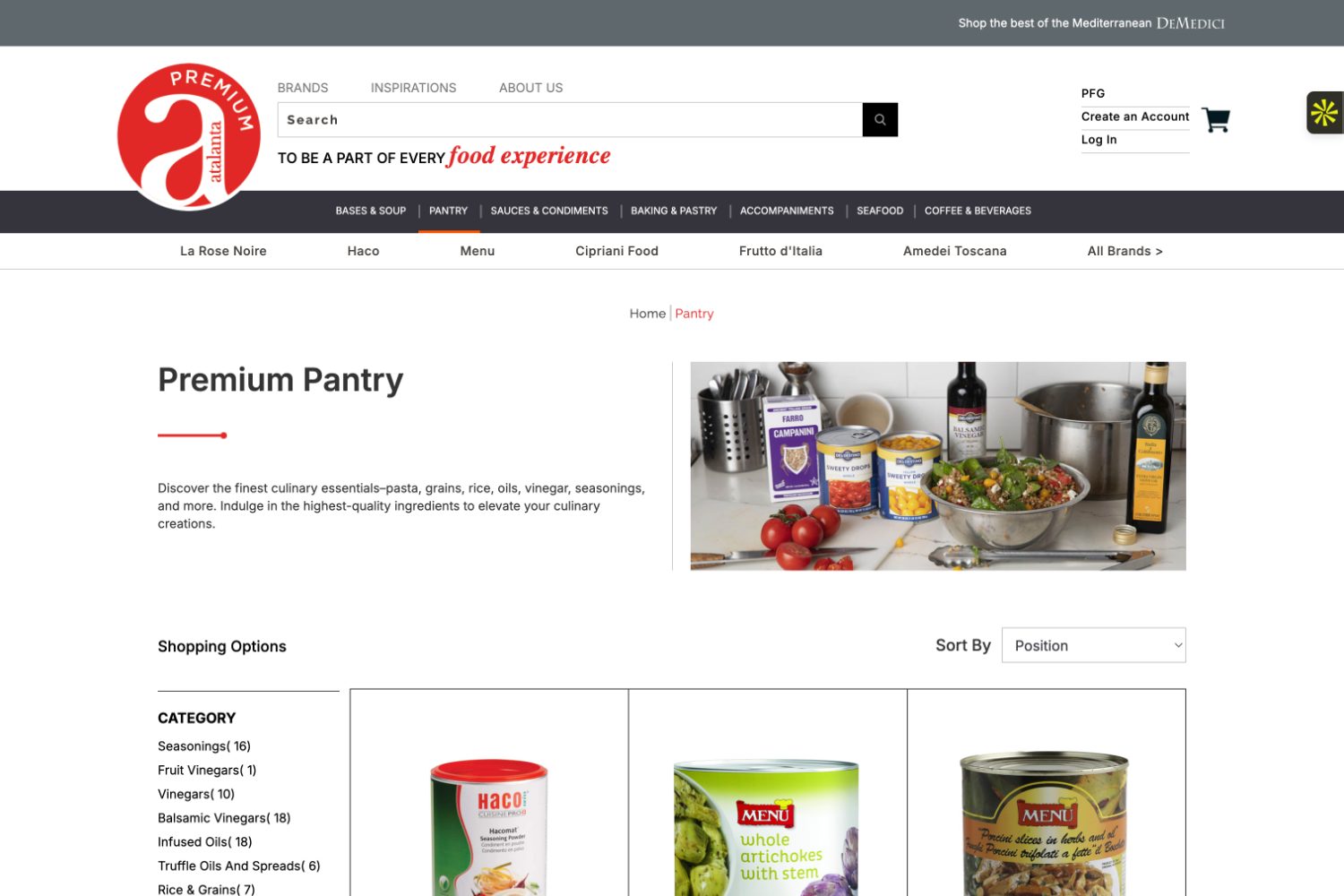
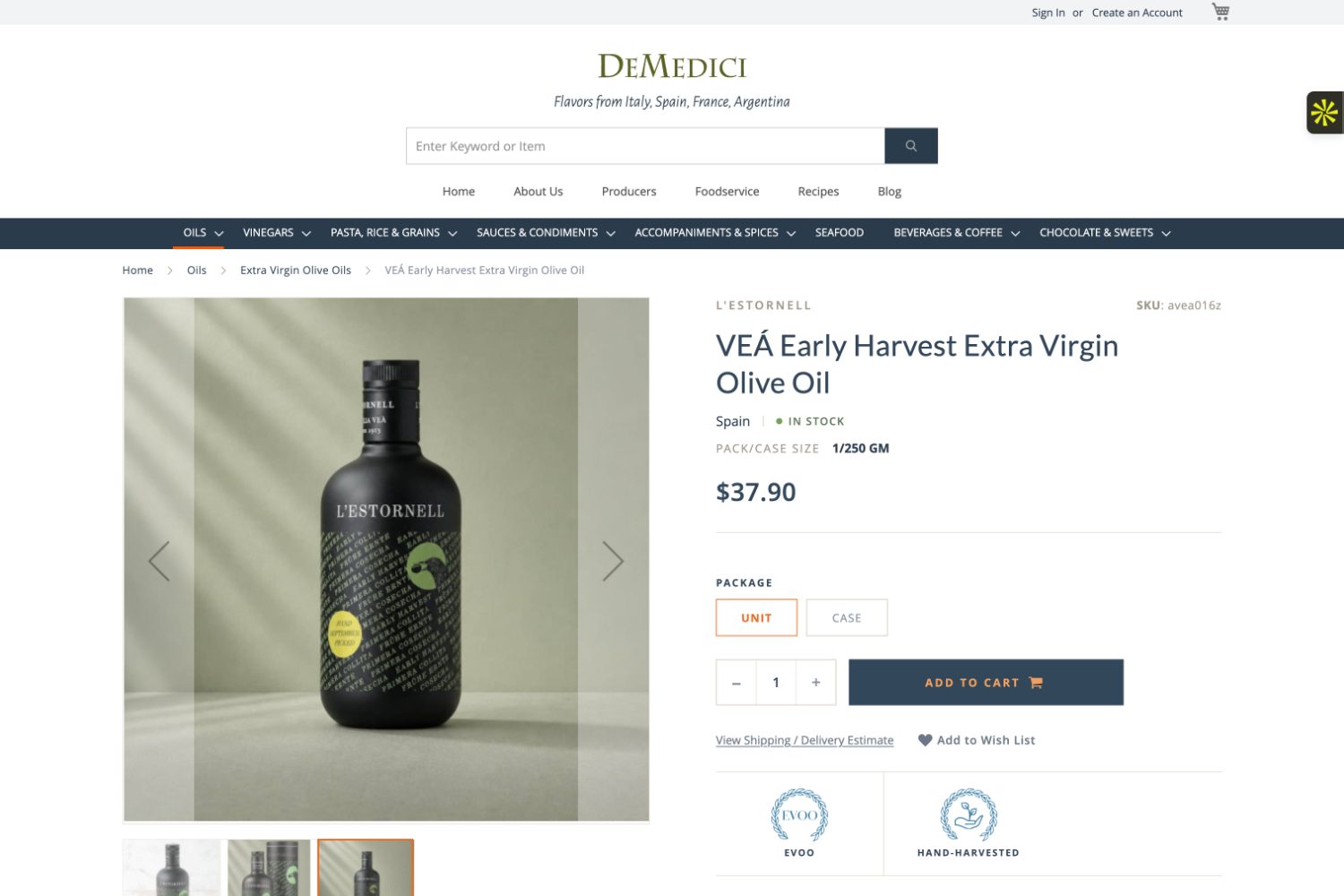
Producer detail, DOP and organic certification, country and region of origin, and documentation that arrives in six formats from six suppliers.
Nutritionals, allergen statements, pack configurations, and spec sheets that have to be right the first time and current every time.
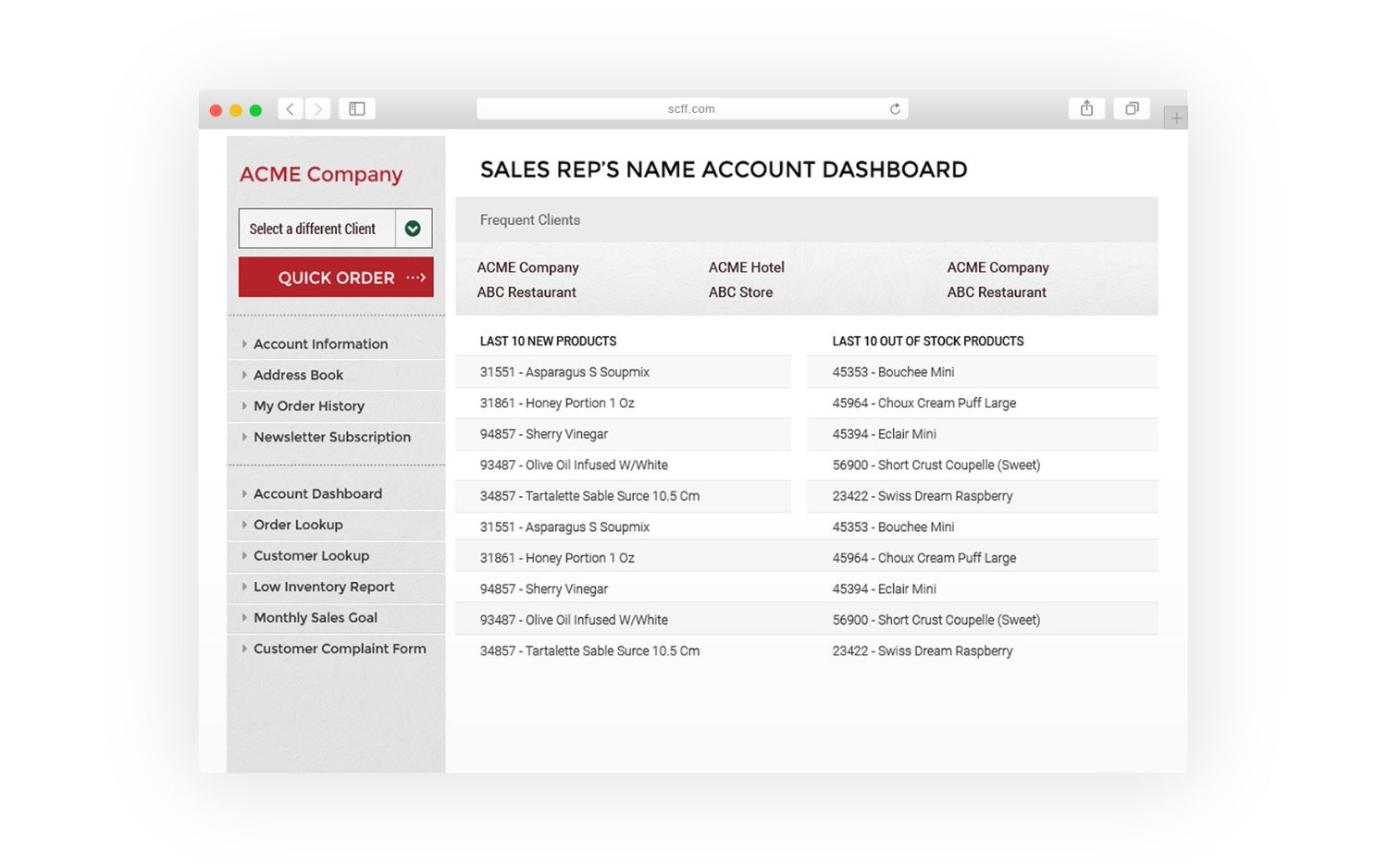
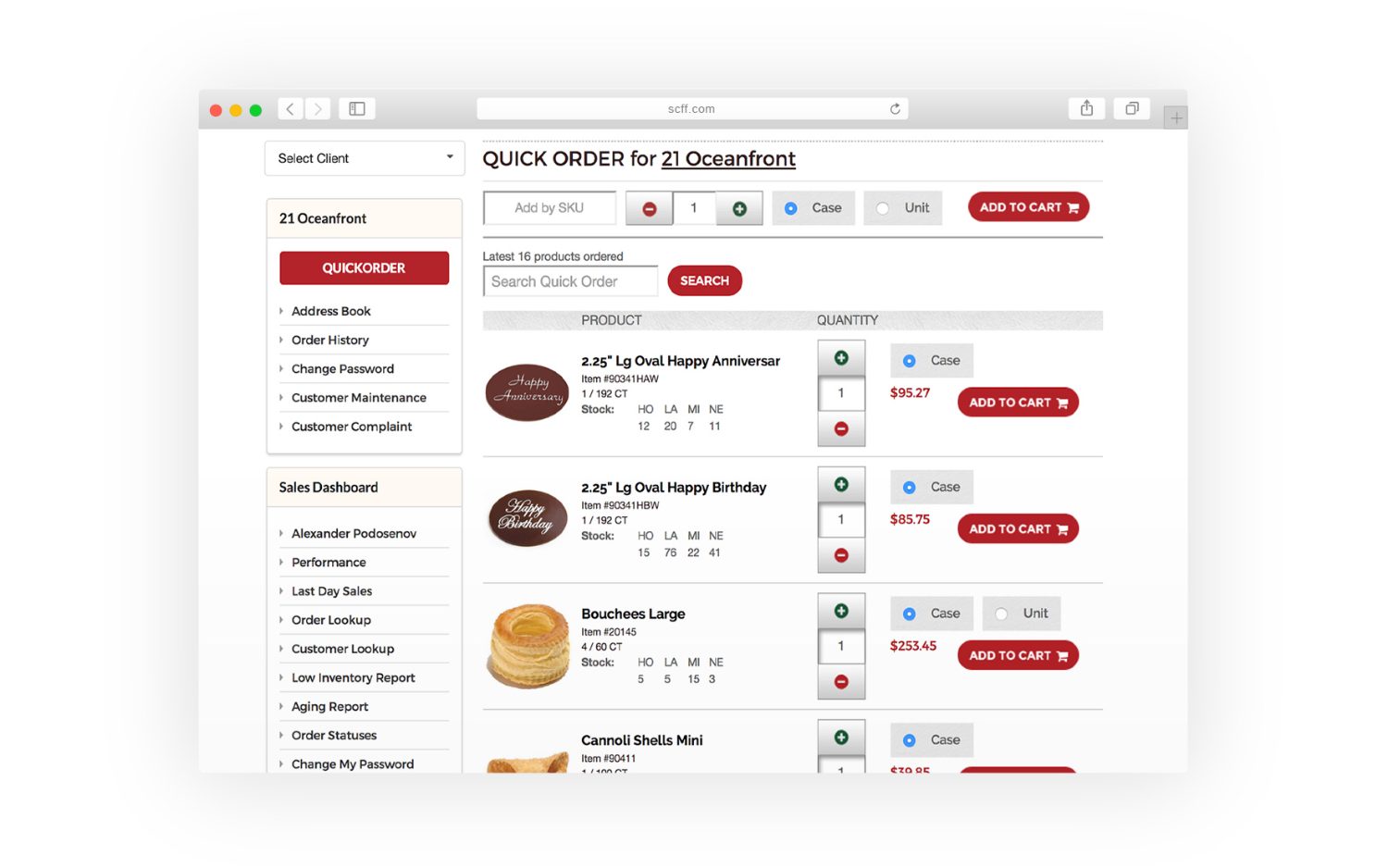
Contract pricing by account, stock by distribution center, rep-assisted ordering, and orders that have to post into the ERP cleanly.
Retailer portals, broker sheets, and distributor templates, each wanting the same product described their own way.
Three ways this usually starts
Enterprise-scale integration
Scattered systems become one ecosystem: item master, pricing tiers, stock by warehouse, and orders moving in both directions. We have done this at the scale of thousands of SKUs across multiple distribution centers, and the integration is where we spend most of our engineering.
Capabilities that win the account
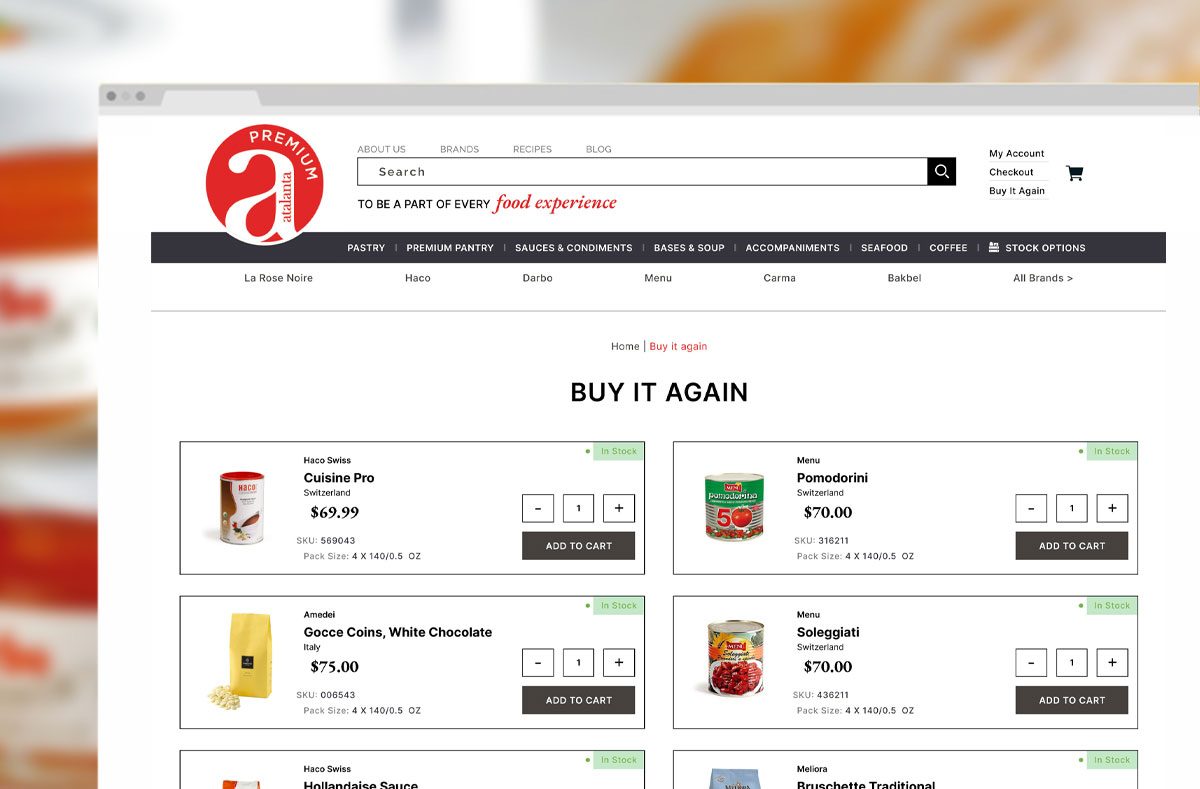
National accounts and large distributors have technical requirements: data in their format, on their schedule, through their portal. Meeting them is often the whole difference between being on the line card and not.
Start small, expand as it earns it
Nobody should hand a decade of operations to an agency on a first engagement. Most of our long-running partnerships began with one contained project — a catalog, a spec sheet workflow, a single integration — and grew because the first one worked.
Two places this usually leads
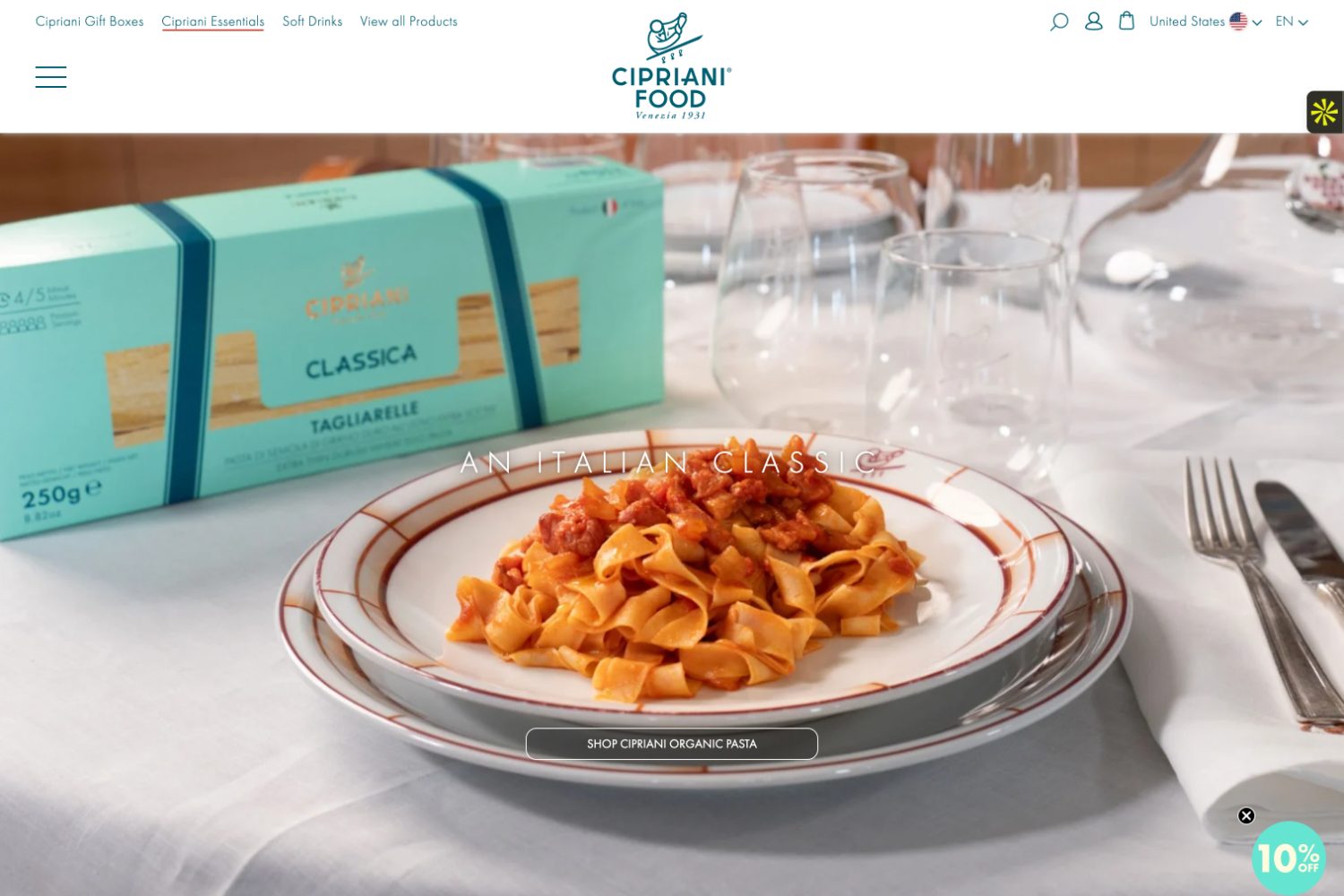
SolarJet PIM, built for foodservice: specs, allergens, imagery, and documents in one place, syndicated to the sites and portals that need them.
Platforms for buyers rather than shoppers: account-level pricing, case and unit ordering, rep-assisted checkout, and ERP order flow.
Our best digital work
Start with the problem that is costing you the most
A 45-minute conversation about your catalog, your systems, and where orders come from today. You will leave with a straight answer on what a first project would look like and roughly what it takes.